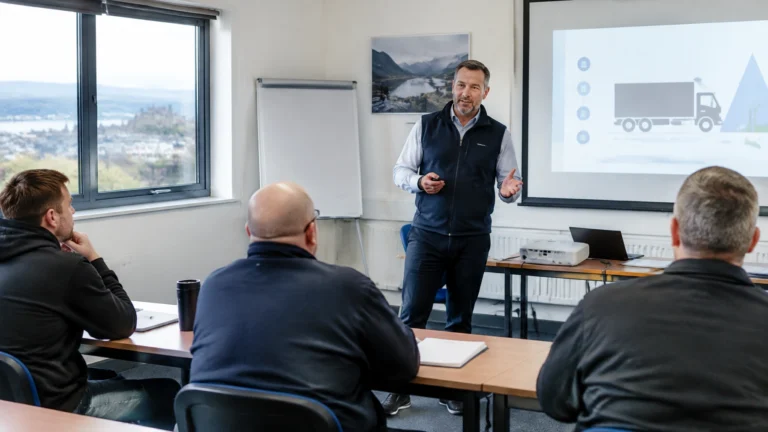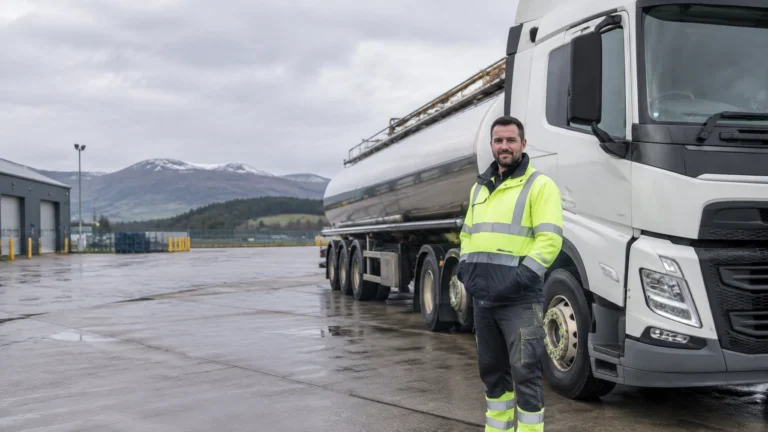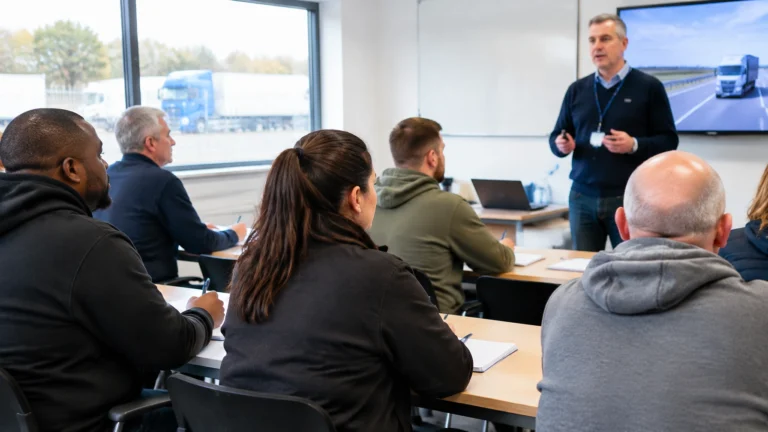
If you have been looking for adr courses but struggle to find the time to commit to a full week off the road, we have a solution for you. This weekend, Open Road Training Ltd is hosting a specialised 2-day intensive ADR course right here in Motherwell.
This isn't just a generic overview; we are focusing specifically on the ADR Core, Packages/Bulk, and Class 9. Whether you are an owner-operator or a fleet manager looking to upskill your team, this weekend session is designed to get you compliant and back to work without losing a full week of earnings.
1. What is Covered in This Weekend's Course?
When people talk about adr courses, they often assume they have to learn every single class of dangerous goods, from explosives to radioactive materials. However, many drivers only ever move specific types of cargo. That is why we’ve tailored this weekend's session to the most high-demand modules.
1.1 The ADR Core Module
The "Core" is the foundation of everything. You cannot hold an ADR vocational training certificate without it. It covers the basic legal requirements, the chemistry of dangerous goods, and the emergency procedures you must follow if something goes wrong. Think of it as the "rules of the road" for hazardous transport.
1.2 Packages and Bulk
This module covers the transport of dangerous goods in "packages", which can range from small boxes to large intermediate bulk containers (IBCs), and in "bulk" (loose material in a vehicle body).
Note: This weekend's course does not cover Tanks. However, you can always add the Tanker module at a later date if your career path changes.
1.3 Class 9: Miscellaneous Dangerous Substances
Class 9 is a "catch-all" category, but don't let the name fool you into thinking it's unimportant. This has been a hot subject recently due to the massive increase in the transport of modern technology and waste products.

2. Why Class 9 is Essential in 2026
Class 9 covers substances and articles which, during carriage, present a danger not covered by other classes. This includes some of the most common high-value and high-risk items on the road today.
2.1 The Rise of Lithium Batteries
If you are moving electronics, electric vehicle components, or even high-capacity power tools, you are likely carrying Class 9 goods. Lithium batteries are classified under UN numbers like UN3480 or UN3481. Because they pose a risk of "thermal runaway" (basically, they can catch fire and are very hard to put out), the DVSA approved training for these items is stricter than ever.
2.2 Transporting Asbestos and Environmental Hazards
Moving waste is a massive part of the haulage industry in Scotland. Asbestos is a Class 9 material (specifically UN2212 or UN2590). If you are involved in construction logistics or waste management, having Class 9 on your ADR card is often a non-negotiable requirement for the job.
This means that without this specific qualification, you are legally barred from moving these materials, which could cost you or your employer lucrative contracts. You can find out more about the roles available for qualified drivers on our ADR jobs page.
3. The 2-Day Format: How Does It Work?
A standard ADR course often lasts five days. So, how can we do it in two?
3.1 Targeted Learning
By focusing strictly on Core, Packages, and Class 9, we strip away the modules you might not need right now (like Class 1 Explosives or Class 7 Radioactive). This allows us to provide a high-intensity, high-quality dangerous goods driver training experience over a single weekend.
3.2 Flexibility for Future Upgrades
One of the best things about the ADR system is its modular nature. If you complete your Core, Packages, and Class 9 with us this weekend, your certificate is valid for five years. If, six months from now, you get a job offer to drive a fuel tanker, you don't have to start from scratch. You can simply return to us to sit the "Tanks" module and whatever additional classes (like Class 3 Flammable Liquids) you need.

4. Understanding ADR Course Prices and Costs
We get asked about adr course cost almost every single day. It is important to look at this as an investment rather than just an expense.
4.1 Breaking Down ADR Course Prices
The cost of an ADR course usually includes:
- Training Fees: The cost of the instruction and classroom time.
- Exam Fees: These are paid to SQA (Scottish Qualifications Authority) who manage the exams on behalf of the DVSA.
- Driver CPC Uploads: If you are a professional driver, you can usually claim up to 7 or 14 hours of Driver CPC credit from an ADR course.
While adr course prices can vary across Scotland, choosing a cheaper provider often leads to lower pass rates. At Open Road Training, we pride ourselves on our haulage compliance standards and our ability to help drivers actually understand the material, not just memorize it for a test.
4.2 The Cost of Non-Compliance
Don't shoot the messenger, but the fines for moving dangerous goods without a valid ADR card are astronomical. Beyond the fines, the DVSA has the power to pull your vehicle off the road and even pursue action against your operator's licence. Spending a few hundred pounds on a course is a drop in the ocean compared to the cost of a single roadside prohibition.
5. Safety and Compliance: Our Core Values
At Open Road Training Ltd, we don't just "tick boxes." We believe in compliance because it saves lives.
5.1 Why Professional Training Matters
Transporting Class 9 goods like Lithium batteries requires specific knowledge of stowage, segregation, and emergency actions. During our 2-day course, we use real-world scenarios to ensure you know exactly what to do if a package is damaged or a fire breaks out.
5.2 Motherwell: A Central Hub for Training
Our Motherwell location is perfectly situated for drivers across the central belt. Whether you are coming from Glasgow or Edinburgh, we are easily accessible, making it the ideal spot for CPC course Scotland requirements and ADR training.

6. Frequently Asked Questions
Q: Can I really get my ADR card in just two days?
A: Yes, for the specific modules of Core, Packages, and Class 9. If you wanted the full suite of classes (2, 3, 4, 5, 6, 8, and 9), it would take longer. This 2-day option is the fastest way to get legally qualified for specific high-demand roles.
Q: Will this count towards my Driver CPC?
A: Yes! Most ADR courses allow you to count the training hours toward your periodic LGV CPC requirement. This is a great way to "double-bubble" your training time.
Q: What happens if I fail one of the exams?
A: Don't panic. You only need to resit the specific module you failed. Because we keep our class sizes small, we have a very high success rate, but we are always here to support you if you need a second go at the exams.

7. How to Book Your Spot for This Weekend
Spaces for our weekend courses fill up incredibly fast because they are so convenient for working drivers. If you want to secure your place and start moving Class 9 goods like Lithium batteries and Asbestos, you need to act quickly.
Summary of the Weekend Course:
- Duration: 2 Days (Saturday & Sunday)
- Modules: Core, Packages/Bulk, Class 9
- Location: Motherwell
- Suitability: Ideal for Lithium batteries, environmental waste, and general haulage.
To see our full list of upcoming dates and to book your spot, head over to our Course Dates page.
Stop turning down loads because you don't have the right "ticket." Join us this weekend at Open Road Training and take the next step in your driving career. Whether you are looking for adr jobs in Glasgow or just want to stay compliant, we have you covered.