So you're thinking about becoming a Transport Manager? Good shout. The industry needs qualified, compliant people who know their stuff. But here's the question everyone asks me: should you go for home study or classroom-based training?
I'm David, and I've been training transport professionals here in Central Scotland for years. At Open Road Training Ltd, we take a "Training for Tomorrow" approach: which means giving you honest advice about what actually works, not just what we want to sell you. Home study works brilliantly for some people. For others? Not so much.
Let's walk through the five things you absolutely need to know before you hand over your cash and commit to a Transport Manager CPC home study course.
1. You Need to Pick Your Lane: Road Haulage or Passenger Transport
This isn't something you can decide halfway through. The Transport Manager CPC comes in two completely different flavours, and you need to pick the right one from day one.
Road Haulage covers everything to do with managing freight operations: from drivers' hours and vehicle maintenance to loading regulations and operator licensing. If you're working with lorries, vans, or anything carrying goods, this is your route.
Passenger Transport (PSV) is all about moving people safely and legally. Think buses, coaches, and community transport. The regulations are different, the compliance issues are different, and the case studies you'll study are completely different.
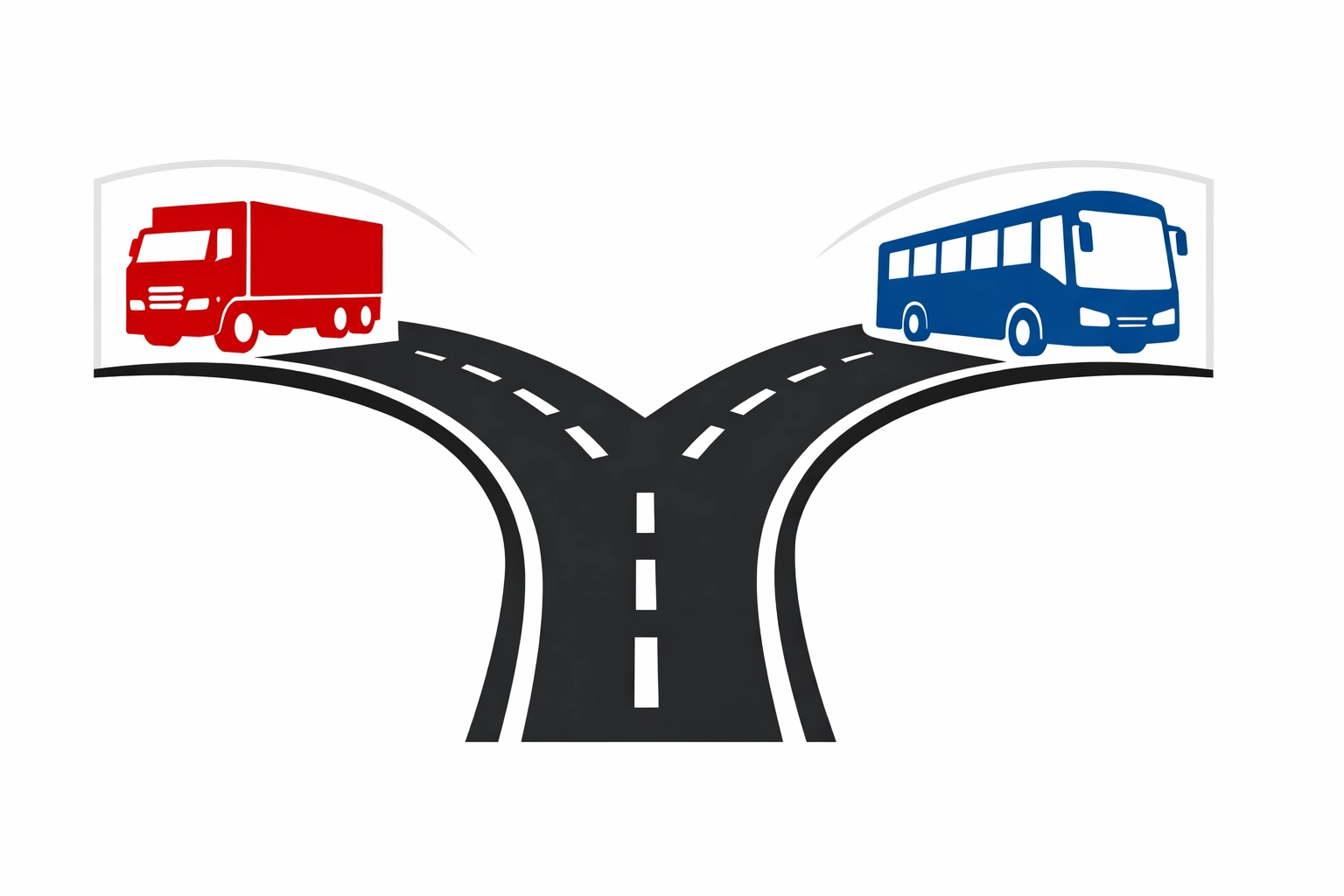
You can't swap between them once you've started. I've seen people enrol on the wrong course because they assumed it was "all the same": it's not. Check with your current or future employer which qualification they need. If you're planning to work for both types of operators, you'll need to take both qualifications separately.
Here in Central Scotland, we work with operators running everything from single-vehicle fleets to major logistics companies. Trust me, getting this first decision right saves you time and money down the line.
2. The Course Duration Isn't What You Think
When you see "12 months' access" or "3 months' study time," what does that actually mean for you?
Most home study providers give you access to materials for 2 to 12 months, but that's not the same as how long you'll need to study. The actual time varies wildly depending on:
- Your current knowledge of transport regulations
- How much time you can dedicate each week
- Whether you've worked in the industry already
- How quickly you pick up case study exam techniques
Realistically? Plan for 2-3 months of consistent study if you're treating it seriously. That means dedicating proper time each week, not just logging in once a fortnight when you remember.
At Open Road Training, we typically give students up to 6 months' access to our home study materials. That's not because it takes six months: it's because life happens. You might have busy periods at work, family commitments, or you might just need a breather between sections. Having that breathing room reduces the pressure.
But here's the thing: having 12 months' access can be a double-edged sword. I've seen people drag it out for months, lose momentum, and then panic-cram at the end. If you know you struggle with self-discipline, a shorter access period might actually help you stay focused.
3. Two Exams Are Waiting for You (And They're Different Beasts)
You don't just sit one test and walk away with your Transport Manager CPC. You've got two separate exams to pass, and they test completely different skills.
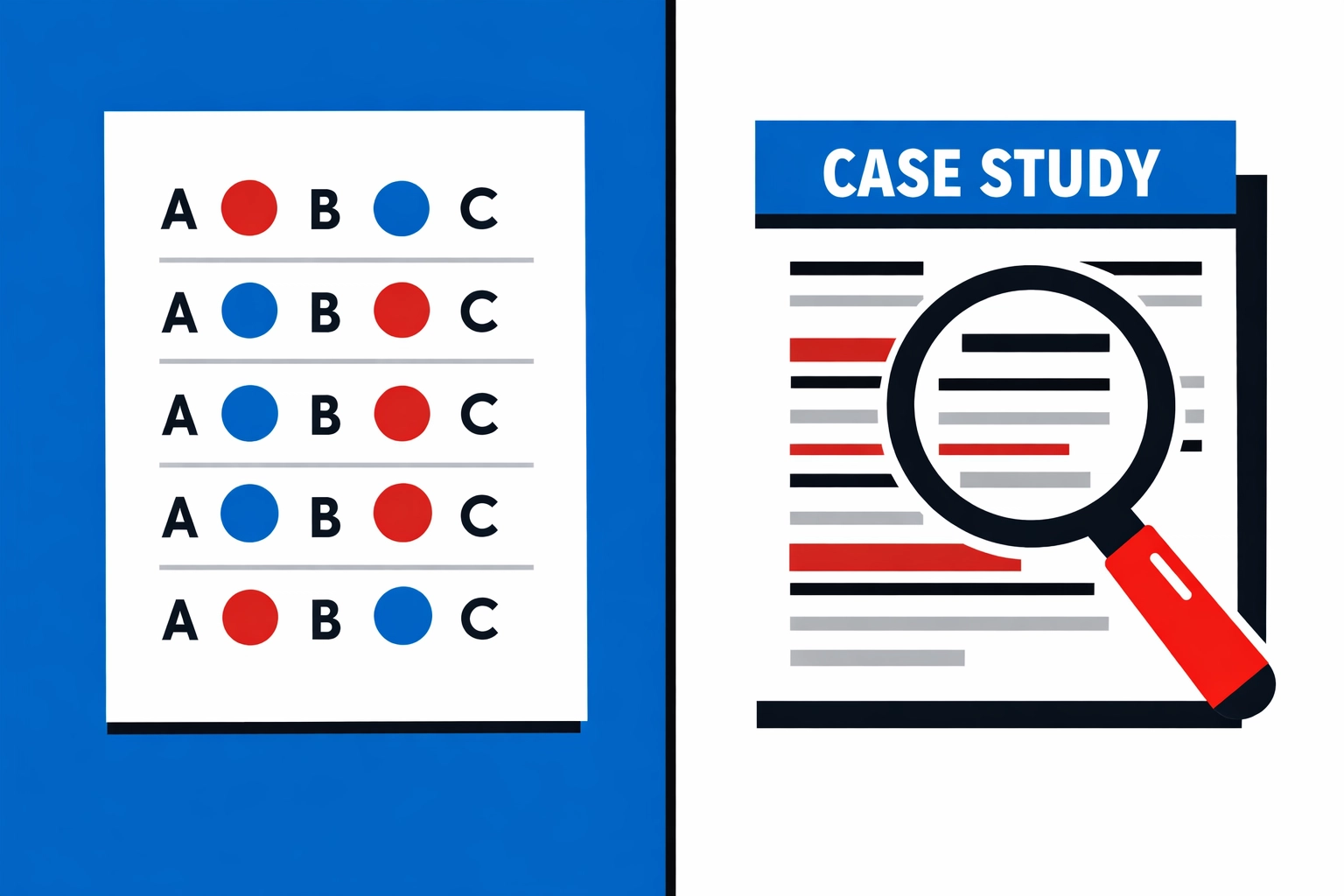
The Multiple-Choice Paper is straightforward: you either know the answer or you don't. It covers the breadth of transport management knowledge: legislation, regulations, operational requirements. Think of it as proving you know the rules.
The Case Study Paper is where people come unstuck. You'll be given a scenario: usually a transport company with multiple problems: and you need to write extended answers explaining what's wrong, what regulations apply, and how to fix it. This tests whether you can actually apply your knowledge in real-world situations.

Both exams are now typically done online with remote invigilation. You'll sit at your computer, someone watches via webcam to make sure you're not cheating, and you crack on. It's convenient, but some people find it more stressful than an exam centre.
Before you enrol, check what's included. Some providers bundle the exam fees into the course price. Others charge separately, which can add a couple hundred quid to your total cost. No nasty surprises: ask upfront.
4. Study Materials Matter More Than You'd Think
Not all home study courses are created equal. What you actually get for your money varies massively between providers.
A decent Transport Manager CPC home study package should include:
- Interactive online modules that break down complex regulations into digestible chunks
- Training videos showing real-world applications
- Downloadable resources you can print and annotate
- Practice questions: and lots of them
Here's where it gets important: you need serious practice for both exam types. Look for courses offering:
- At least 1,000+ multiple-choice practice questions so you can drill the knowledge
- Hundreds of case study examples to understand how examiners want answers structured
- Mock exams that replicate the real testing conditions
At Open Road Training, we provide access to over 1,400 multiple-choice questions and 250 case study examples. Why so many? Because repetition builds confidence. You'll start spotting patterns in how questions are asked and what examiners are looking for.
The case study practice is especially crucial. You might know the regulations inside-out, but if you can't structure a coherent written answer under exam pressure, you'll struggle. Mock assessments that get reviewed by actual tutors help you identify weak spots before the real thing.
5. "Home Study" Doesn't Mean You're On Your Own
This is the biggest misconception about home study courses. People assume you get dumped with a pile of materials and left to sink or swim. That's not how it should work.
Even with self-paced learning, you should have access to tutor support throughout your study period. That might be:
- Email support for specific questions
- Scheduled webinars or online tutorials
- Feedback on practice case study answers
- Progress monitoring to keep you on track
Some providers offer more hand-holding than others. If you're the type who needs regular check-ins and encouragement, look for courses that include structured support sessions, not just "email us if you get stuck."
At Open Road Training, our "Training for Tomorrow" approach recognises that everyone learns differently. Some students fly through independently. Others need more guidance. We offer revision sessions and topic-specific help throughout the access period because we'd rather you pass first time than struggle alone.
So Is Home Study Right for You?
Here's the honest bit. Home study works brilliantly if:
- You're self-motivated and good at managing your own time
- You have a quiet space to study consistently
- You prefer working at your own pace
- You're comfortable learning from digital materials
- You've got some transport industry experience already
Home study might not be your best bet if:
- You need external deadlines to stay motivated
- You learn better through discussion and interaction
- You're completely new to transport management
- You struggle with written exams and need more exam technique coaching
- You prefer structured classroom environments
There's no shame in choosing guided training if that's what works for you. I've trained hundreds of transport managers here in Central Scotland, and the ones who succeed are the ones who pick the learning method that suits their style: not the cheapest option or what their mate did.
Making Your Decision
Before you enrol in any Transport Manager CPC home study course, ask yourself:
- Am I clear on whether I need Road Haulage or PSV?
- Can I realistically commit 2-3 months of consistent study time?
- What's included in the price: exams, materials, support?
- How many practice questions and case studies do I get?
- What tutor support is available if I get stuck?
And here's my final bit of advice: talk to the training provider. Ask questions. A decent provider will have an honest conversation about whether their course suits your situation. If they're just trying to get your money without understanding your needs, walk away.
The Transport Manager CPC is a proper qualification that opens doors in the logistics industry. Getting it right the first time: whether through home study, classroom training, or a blend of both: is worth the effort.
If you want to chat through your options, we're based in Central Scotland and happy to give you straight answers about what works. No hard sell, just practical advice from people who've been doing this for years.
Check out our available course dates or get in touch if you want to discuss whether home study is your best route forward. Training for tomorrow starts with making the right choice today.