
Let’s be honest: when you’re sitting that transport manager CPC exam, the drivers schedule question is the one that makes even experienced transport professionals break a sweat. It’s not just about knowing the rules. It’s about applying them under pressure, juggling multiple stops, driver hours, load limits, and still coming up with the most efficient route.
And that’s exactly why we put together this video guide.
Why Driver Scheduling Trips Most People Up
Here’s the thing: driver scheduling is always tested on the transport manager CPC exam. Always. The examiners love it because it tests everything at once: your knowledge of EU drivers hours regulations, working time directives, vehicle checks, route planning, and your ability to think logically under time constraints.
You might know your 4.5-hour driving limits inside out. You’ve probably memorised the rest period requirements. But when you’re presented with a complex multi-stop scenario involving tight delivery windows and a driver who started at 06:00, suddenly it all feels like you’re juggling chainsaws.

The problem isn’t that you don’t know the rules. It’s that you haven’t practised applying them to realistic scenarios enough times. And that’s where this video comes in.
What This Video Guide Covers
We’ve recorded a step-by-step walkthrough of a proper beast of a driver’s schedule question: the kind you’ll face in your actual exam. This isn’t a simple “drive from A to B” scenario. We’re talking about:
A 13-point question that includes:
- Multiple delivery stops across different locations
- A strict load limit of 26 pallets that affects your routing decisions
- Complex driver hours calculations, including breaks and rest periods
- Daily vehicle check requirements
- Shortest route calculations between multiple points
- Real-world time pressures and delivery windows
Watch the video and follow along:
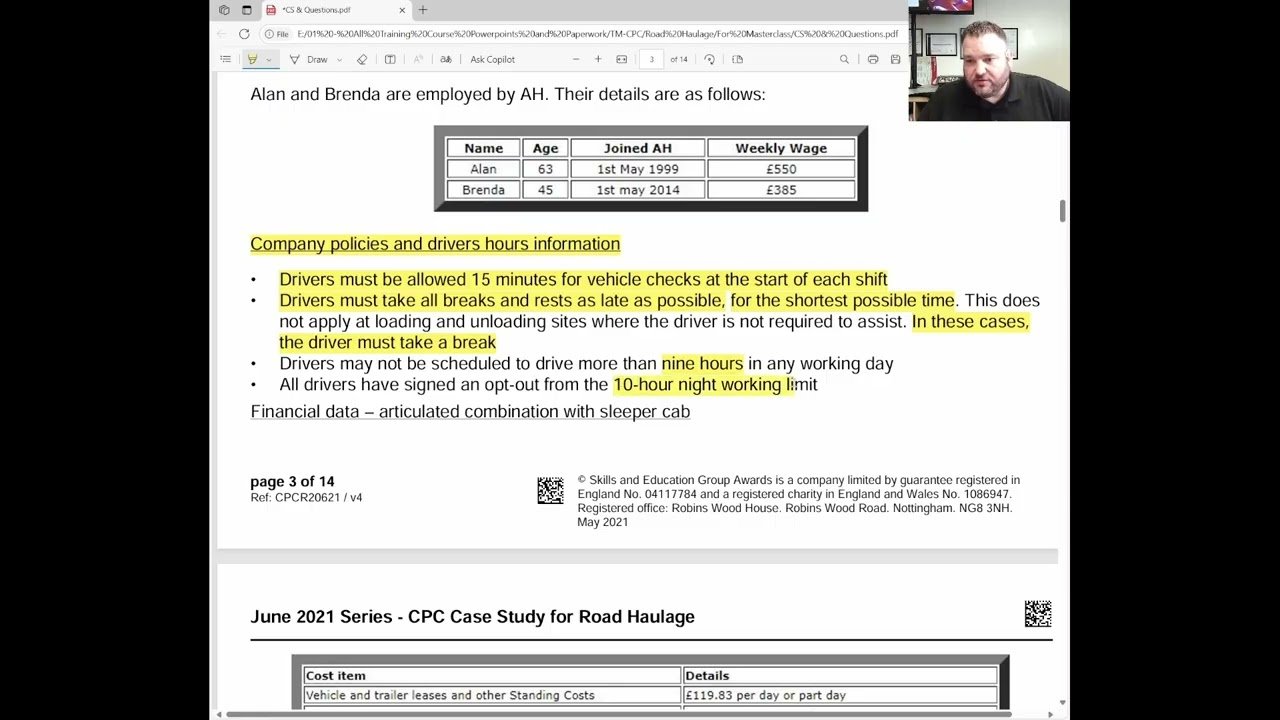
This is the exact type of question you’ll see in your CPC exam. No fluff, no simplified versions: just a real scenario worked through from start to finish.
The Key Takeaways You’ll Learn
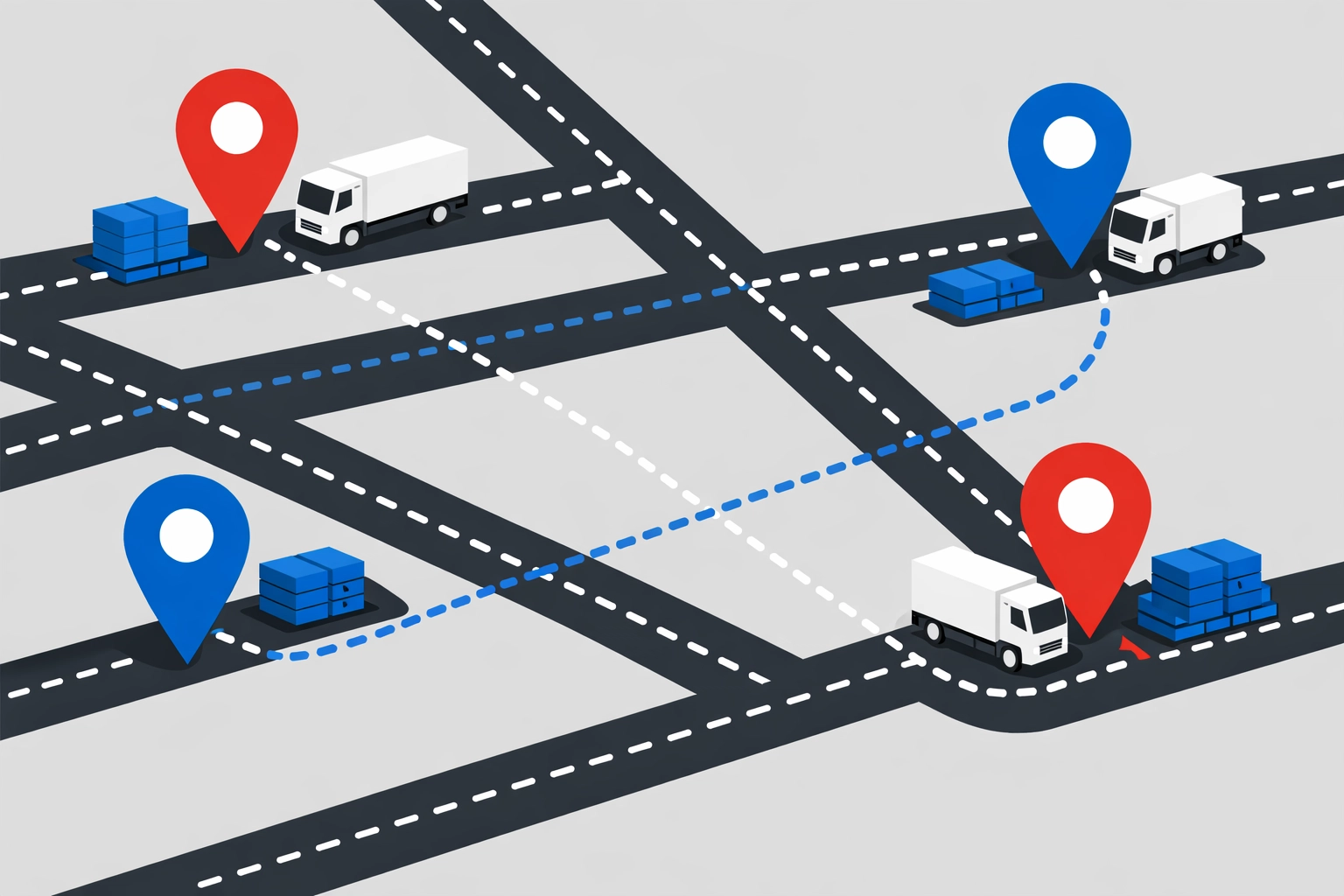
1. How to Calculate the Shortest Routes
You might think route planning is straightforward, but when you’ve got multiple stops and limited capacity, it becomes a puzzle. The video shows you how to:
- Work out the actual shortest distance between multiple points
- Factor in the load capacity restrictions (those 26 pallets won’t move themselves)
- Identify which stops must be sequenced in a specific order
- Avoid the classic trap of choosing the most obvious route that ends up being longer
Pro tip from the video: Always map out all possible route combinations before committing to your schedule. What looks shortest on paper might add unnecessary driving time when you factor in the loading constraints.
2. Accounting for Daily Vehicle Checks
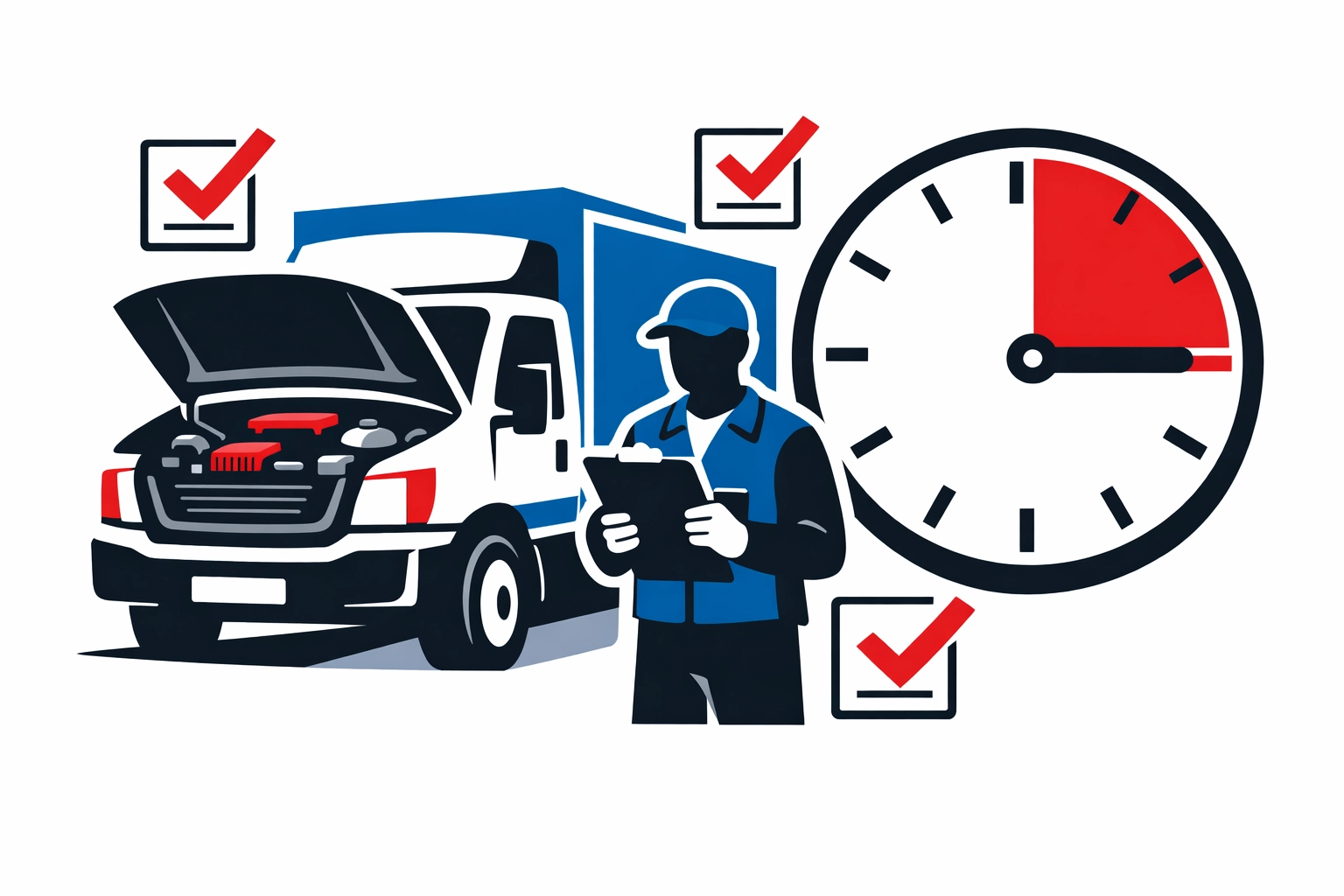
This sounds simple, but it catches people out constantly. You need to build in 15 minutes for the daily vehicle check at the start of every shift. Not 10 minutes. Not “whenever the driver gets around to it.” Fifteen minutes, documented, before any driving begins. It tells you in the case study how long to allocate to this part.
The video demonstrates exactly where this fits into your schedule and how to record it properly. Miss this in your exam answer, and you’re already losing marks before the wheels have even turned.
3. Managing EU Driver Hours Like a Pro
This is where the video really earns its keep. You’ll see exactly how to apply:
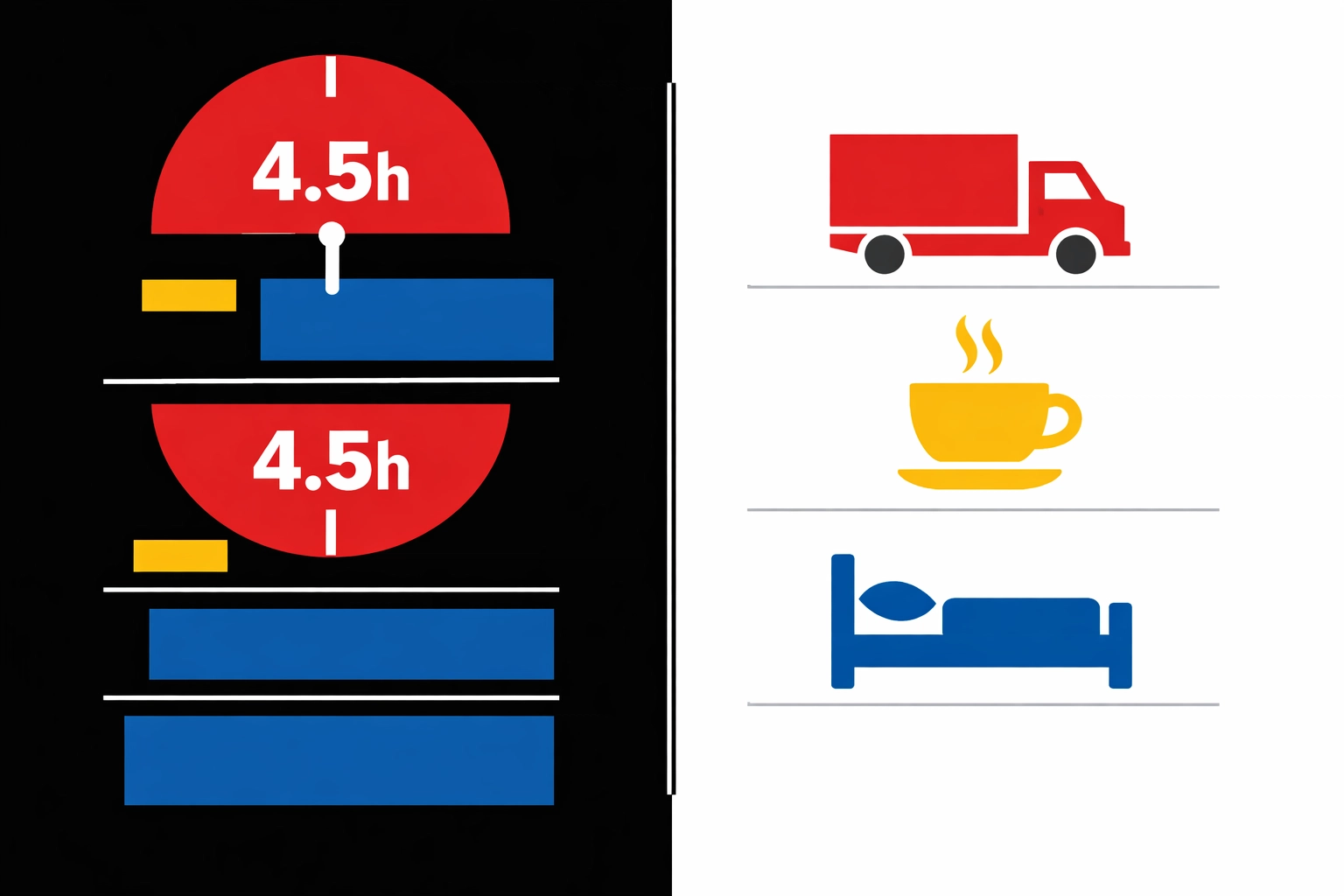
- The 4.5-hour driving limit before a 45-minute break is required
- Working time breaks. Do you know your WTD?
The video works through each segment of the day, showing you where breaks must go, how to calculate cumulative driving time, and how to avoid accidentally scheduling something that violates the regulations.
4. The Documentation That Actually Matters
Your exam answer needs to show:
- Start times for each activity
- Journey times between locations
- Break durations and timings
- Vehicle check completion
- Finish times that demonstrate compliance
The video shows you the exact format and level of detail the examiners are looking for. Not too sparse (you’ll lose marks), not too detailed (you’ll waste precious exam time).
This Works for Passenger Transport Too
Running a bus or coach operation? Don’t click away just yet. This exact same process applies to the passenger transport manager CPC exams. The principles are identical: you’re just swapping “26 pallets” for “53 passengers” (or whatever your vehicle capacity is).
The route-planning logic remains the same. The driver hours regulations are the same. The daily checks? Same again. Whether you’re moving freight or people, you’re scheduling drivers and vehicles under the same regulatory framework.
So if you’re studying for the passenger transport manager CPC, this video is just as valuable to you. Just mentally translate “delivery points” into “scheduled stops”, and you’re good to go.
How to Use This Video in Your Exam Prep
Here’s how to get maximum value from this guide:
First watch: Just watch it through. Don’t take notes, don’t pause constantly: just get familiar with the overall process and how the instructor works through the problem.
Second watch: Now grab a pen and paper. Pause the video after each major step and try to work out the next part yourself before the instructor shows you. This is where the real learning happens.
Third watch: Treat it like a mock exam. Print out the question details (you can create your own based on what’s in the video), set a timer, and complete the entire schedule without watching. Then watch the video to check your answers.
Repeat: Keep coming back to this video throughout your revision. Each time you’ll spot something new or understand a concept more deeply.
The Reality Check You Need
Look, we’re not going to pretend this is easy. Driver scheduling questions are designed to be challenging because transport management is challenging. In the real world, you’ll be making these decisions daily, often with incomplete information and time pressure.
But here’s the good news: it’s completely learnable. You don’t need to be a mathematical genius or have decades of transport experience. You just need to understand the rules, practice applying them, and develop a systematic approach.
That’s exactly what this video gives you: a proven system for tackling these questions methodically and confidently.
Ready to Master Your Transport Manager CPC?
This video is one tool in your exam preparation toolkit. If you’re serious about passing your transport manager CPC exam the first time, you’ll want comprehensive training that covers everything from driver scheduling to vehicle maintenance regulations to financial management.
We offer complete Transport Manager CPC courses for both road haulage and passenger transport. You’ll get classroom tuition, eLearning materials, printed study guides, and access to our TM App: everything you need to walk into that exam room with confidence.
Want to see our upcoming course dates? Check availability here.
Your Next Steps
Watch the video above as many times as you need. Work through the scenario until you can complete it without help. Then challenge yourself with variations: what if the driver started an hour later? What if there were an additional stop? What if the load limit were different?
The more you practice, the more these calculations will become second nature. And when exam day arrives, you’ll tackle that driver’s schedule question with confidence instead of dread.
Questions about the video or need help with a specific part of your CPC revision? Drop us a message( we’re here to help you succeed.)